- Contractor Growth Digest
- Posts
- Podcast: Fired After Making Them $10 Million: My Revenge Was Success
Podcast: Fired After Making Them $10 Million: My Revenge Was Success
Daniel Dza saved a failing construction company, got let go for his trouble, and immediately started his own competitor. Here’s what happened next.

Summary:
What happens when you save a dying company, turn it into a $10 million juggernaut in 18 months, and then get fired for your success? In this episode of the Roofing, Siding, and Painting Podcast, host Jenni sits down with Daniel Dza, co-owner of Top Quality Builders, to hear his incredible "consultant to competitor" story. Daniel reveals how he took his Master’s degree in project management and two decades of consulting experience to build a new company from scratch with three other partners. The conversation dives deep into the mechanics of running a multi-partner firm without chaos, why he refuses to use "Cost Plus" contracts, and the specific "Planning Agreement" phase that allows him to guarantee fixed pricing without losing his shirt on change orders.
Sponsored: Design + Estimate in 1 Tool
Why now (≤60 words): Homeowners decide faster when they can see it. Renoworks Pro lets your rep show photorealistic designs and generate a ballpark estimate on the first visit—fewer callbacks, more premium options selected, and cleaner follow‑ups.
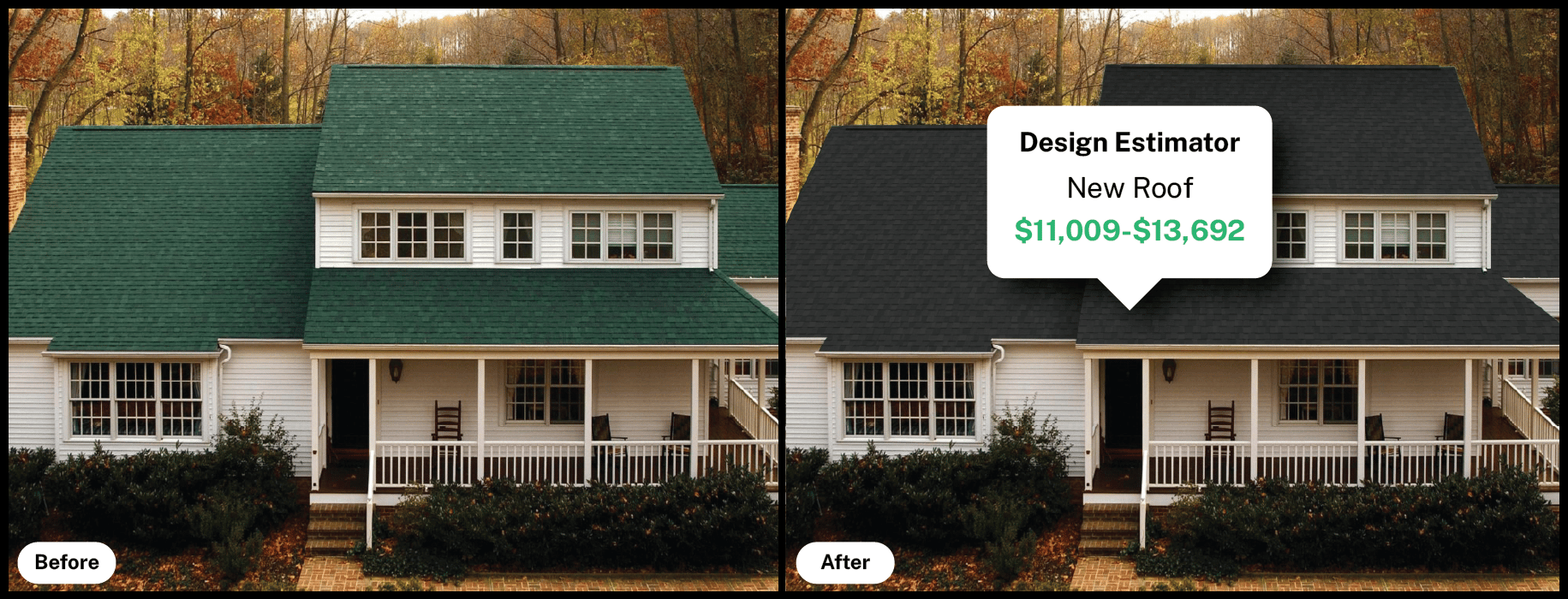
Proof & payoff: Contractors report 3× upsell rate and up to 60% better close rates with visualization in the workflow; homeowners prefer visualized options.
Key Takeaways:
The "Operating Agreement" is Non-Negotiable: Daniel runs a company with four partners, a recipe for disaster in most cases. His secret? A rock-solid operating agreement that separates "ownership" (profit share) from "employment" (salary). Just because you own 50% doesn't mean you get paid the same as the CEO if you're doing a Carpenter's job. This clarity prevents resentment before it starts.
Kill "Cost Plus" Contracts: Daniel argues that Cost Plus contracts incentivize laziness. If a contractor gets paid for every hour spent, there is no motivation to find better material prices or work faster. Instead, he advocates for "Fixed Price" contracts because they align the homeowner's desire for certainty with the contractor's incentive to be efficient.
The "Planning Agreement" Eliminates Change Orders: To make Fixed Price work, you can't guess. Daniel sells a separate "Planning Agreement" before construction begins. This paid pre-construction phase brings subs (plumbers, electricians) to the site before the contract is signed to identify every potential issue. This means change orders are only generated if the client changes their mind, not because the contractor "forgot" something.
Marketing to Your Demographic (Even if it's "Old School"): Despite having a sophisticated background, Daniel knows his rural Virginia market is older (60+). While other contractors waste money on TikTok, he spends $25 on newspaper ads that generate hundreds of thousands in revenue. His lesson: Ignore the trends and go where your customers actually look—even if that's the Yellow Pages or the local paper.
Consultant vs. Owner Mindset: Daniel shares the hard truth about the transition from consultant to owner. As a consultant, you have the "proxy power" of the owner without the personal financial risk. As an owner, you have total freedom, but you also carry the weight of payroll, insurance, and liability. He emphasizes that if you make the jump, you must have your legal entities and insurance structured perfectly to protect your personal assets.
